NASA’s Mars Honeycomb Discovery: 6 Things You Need to Know
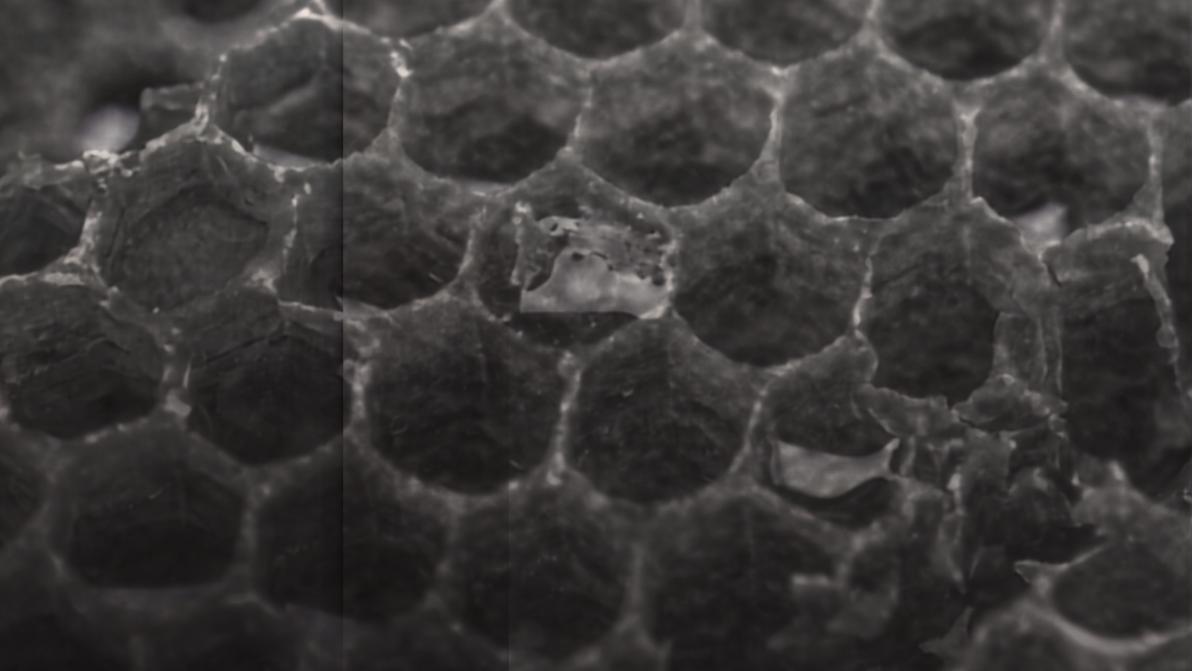
NASA’s latest discoveries on Mars are giving scientists fresh clues about the Red Planet’s ancient past, with unusual honeycomb-shaped rock patterns and evidence of powerful asteroid impacts raising new questions about its geological history (Image for representational purpose only)
NASA’s Mars exploration missions continue to uncover remarkable evidence that is reshaping our understanding of the Red Planet. Recent findings include mysterious honeycomb-like rock formations observed by the Curiosity rover and new geological insights from the Perseverance rover, which has identified signs of ancient asteroid impacts. Together, these discoveries provide valuable clues about how Mars evolved billions of years ago.
6 Key Takeaways
1. NASA Discovered Unusual Honeycomb Patterns on Mars
One of the latest discoveries attracting global attention is a series of honeycomb-like rock formations spotted on the Martian surface.
The unusual geometric patterns stand out because they differ from the surrounding landscape, prompting scientists to investigate the geological processes that may have created them.
While visually striking, researchers emphasize that these formations are natural geological features rather than evidence of artificial structures.
2. Scientists Are Still Investigating Their Origin
The exact cause of the honeycomb formations remains uncertain.
Researchers believe they may have formed through natural processes such as repeated cycles of cracking, mineral deposition, erosion, or the interaction between ancient water, rock, and climate conditions.
Several geological explanations are being studied before scientists reach a definitive conclusion.
3. Perseverance Reveals Evidence of Ancient Asteroid Impacts
At another location on Mars, NASA’s Perseverance rover has been studying rocks that preserve signs of powerful asteroid impacts from billions of years ago.
These impact records provide scientists with valuable information about the early history of Mars, including the intense bombardment that shaped much of the planet’s surface during its formative years.
4. Ancient Rocks Act Like a Geological Archive
The rocks examined by Perseverance contain layers and structures that have survived for billions of years.
By analyzing these formations, scientists can reconstruct events that occurred long before life appeared on Earth, helping researchers better understand how Mars changed over time and whether it once offered conditions suitable for microbial life.
5. Every Discovery Helps Explain Mars’ Evolution
Mars may appear quiet today, but its surface tells a story of volcanic activity, meteor impacts, shifting climates, and the possible presence of ancient water.
Each new observation allows scientists to piece together how the planet evolved from a more active world into the cold, dry environment we see today.
6. Mars Exploration Is Far From Over
NASA’s robotic missions continue to collect samples, analyze rocks, and transmit scientific data back to Earth.
The discoveries made by Curiosity and Perseverance will not only deepen our understanding of Mars but also help prepare future robotic missions and potential human exploration of the Red Planet.
Why This Matters
Understanding Mars isn’t simply about studying another planet—it’s about understanding the history of our own solar system.
Ancient impact records reveal how planets evolved during the early stages of the solar system, while unusual geological formations like the honeycomb patterns offer new opportunities to study how landscapes develop under conditions very different from those on Earth.
These findings also help scientists identify locations that may preserve evidence of ancient environments where microbial life could once have existed.
Final Thoughts
NASA’s latest Mars discoveries highlight how every new observation adds another piece to one of the solar system’s biggest puzzles. The mysterious honeycomb formations continue to challenge scientists’ understanding of Martian geology, while Perseverance’s study of ancient impact records is providing valuable insights into the planet’s distant past.
Although many questions remain unanswered, these discoveries demonstrate why Mars remains one of the most important destinations for planetary exploration. As NASA’s missions continue, each new finding brings humanity one step closer to understanding the Red Planet’s remarkable history.
SixGlobe Summary
- NASA identified unusual honeycomb-like rock formations on Mars.
- Scientists are investigating how these natural geological patterns formed.
- Perseverance has uncovered evidence of ancient asteroid impacts.
- Martian rocks preserve billions of years of planetary history.
- The discoveries improve our understanding of Mars’ geological evolution.
- Ongoing rover missions continue to reveal new clues about the Red Planet.
What do you think? Could these mysterious honeycomb formations reveal a new chapter in Mars’ history? Share your thoughts in the comments, and follow SixGlobe for six essential takeaways from the world’s biggest science and space discoveries.













Post Comment