Six Emerging Technologies That Could Replace Smartphones Within the Next Decade
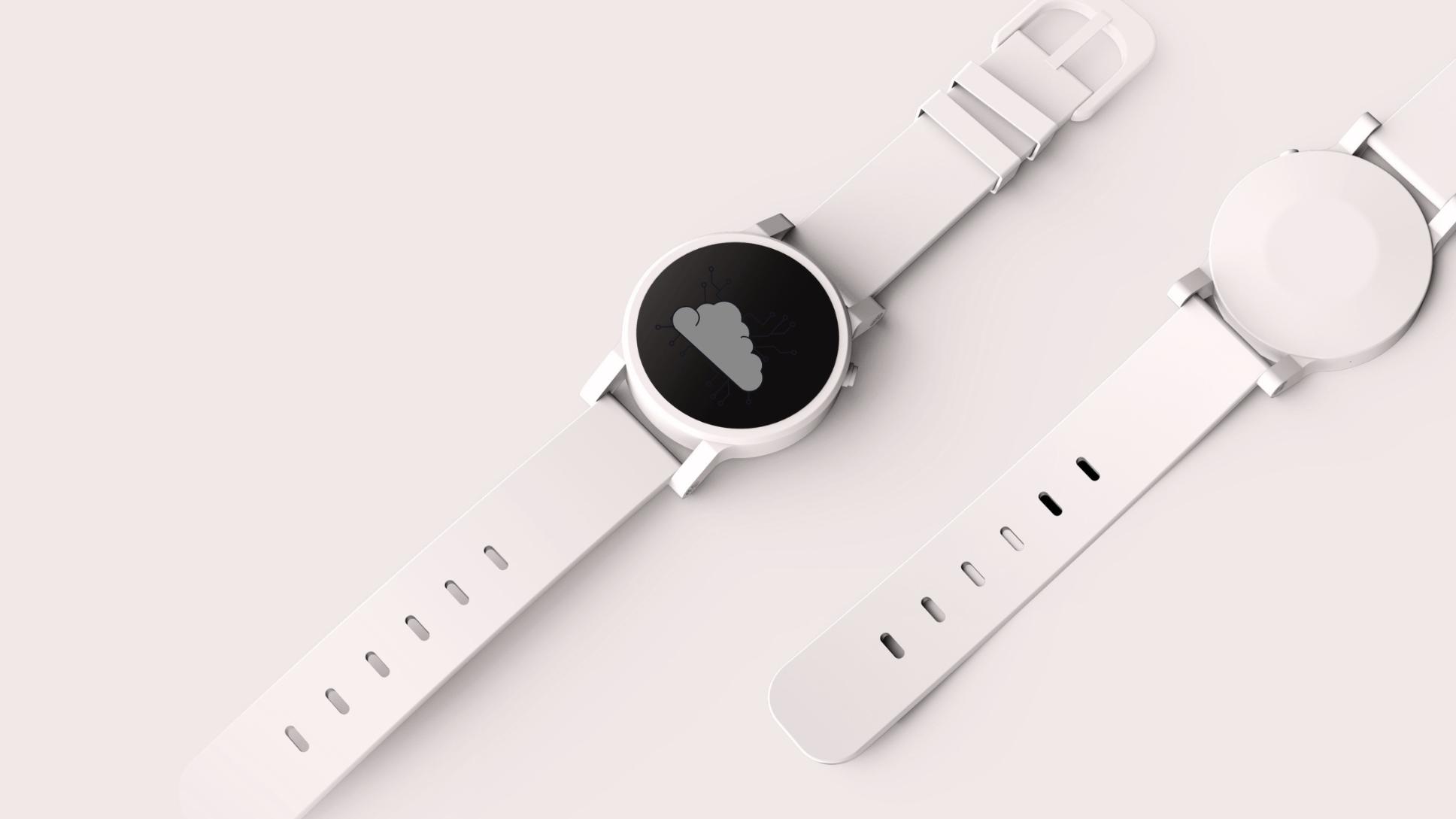
Discover six emerging technologies that could replace smartphones within the next decade. Explore how future devices may change the way we communicate, work, and live.
For more than 15 years, smartphones have been a big part of our daily lives. We use them to call people, send messages, watch videos, shop online, and even control smart devices.
But technology never stands still.
Many experts believe that smartphones may not always be the center of our digital lives. New technologies are being developed to make communication faster, easier, and more natural.
Here are six technologies that could replace smartphones in the future.
1. Smart Glasses
Smart glasses are one of the strongest candidates to replace smartphones.
Instead of looking down at a screen, you can see digital information directly in front of your eyes. You could read messages, get directions, make video calls, and even translate languages while wearing the glasses.
As batteries improve and designs become lighter, smart glasses could become as common as regular glasses.
2. AI Wearable Devices
Artificial intelligence is becoming more powerful every year.
Future AI wearables may act as personal assistants that stay with you all day. Instead of opening apps, you could simply ask questions or give voice commands.
These devices may remind you about meetings, answer emails, book appointments, and even help with daily decisions.
The goal is to make technology work for you without needing a screen.
3. Brain-Computer Interfaces
This may sound like science fiction, but researchers are already working on it.
Brain-computer interfaces allow people to control devices using brain signals.
In the future, users may be able to send messages, control smart homes, or operate computers just by thinking.
While this technology is still in its early stages, it has huge potential.
4. Augmented Reality Contact Lenses
Imagine wearing contact lenses that display digital information.
You could see maps, notifications, weather updates, or translations without holding a phone.
These lenses could also help workers, students, and travelers by showing useful information exactly when they need it.
Although they are still under development, many companies are exploring this idea.
5. Voice-First AI Assistants
Today’s voice assistants can answer simple questions.
Future AI assistants could do much more.
Instead of tapping on apps, you may simply have a conversation with your AI assistant. It could manage your schedule, buy tickets, order groceries, plan trips, and answer complex questions.
Talking to AI may become faster than using a touchscreen.
6. Smart Wearable Pins
Small wearable devices are becoming more popular.
These AI-powered pins can listen, understand voice commands, take photos, answer questions, and provide information without needing a phone.
As these devices become smarter and more reliable, they may handle many everyday tasks that smartphones do today.
They are designed to be simple, hands-free, and always available.
Will Smartphones Disappear Completely?
Probably not.
Just as laptops still exist even after smartphones became popular, smartphones may continue to be useful for many years.
However, their role may become smaller as new technologies take over everyday tasks.
People usually adopt new technology slowly. It may take years before any single device becomes the next smartphone.
Conclusion
The future of technology looks exciting.
Smart glasses, AI wearables, brain-computer interfaces, augmented reality contact lenses, voice-first AI assistants, and smart wearable pins all have the potential to change the way we use technology.
No one knows which technology will become the next big thing. But one thing is clear: the way we interact with technology will continue to evolve.
The smartphone changed the world once. The next decade may introduce something even more revolutionary.
Follow SixGlobe for more simple, insightful articles with six key takeaways on technology, business, science, finance, careers, and everyday life.









Post Comment