What Is ‘Slop Face’? 6 Things You Need to Know About Hollywood’s New Beauty Trend
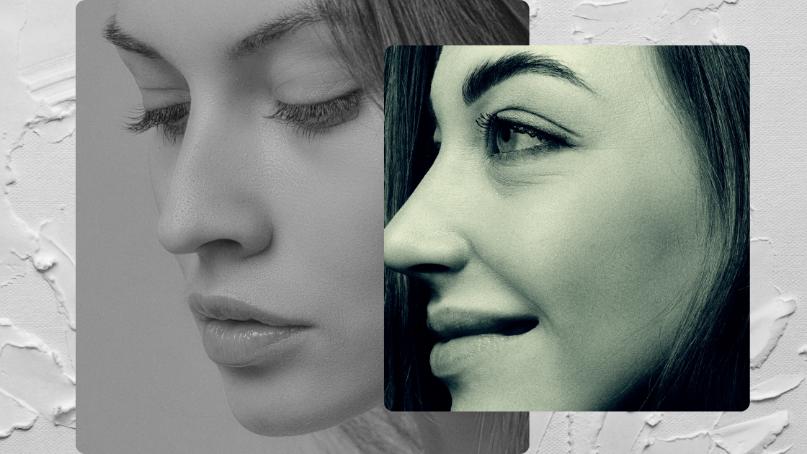
A new term is making waves in Hollywood, and it’s not about fashion or makeup—it’s about how celebrities are starting to look surprisingly alike.
If you’ve been scrolling through social media or keeping up with celebrity news, you may have come across the phrase “Slop Face.” It’s the latest buzzword in beauty circles, describing a growing concern that cosmetic enhancements, beauty filters, and AI-influenced beauty standards are creating a uniform look among celebrities. But what exactly does it mean, and why is everyone talking about it? Here’s what you need to know.
6 Things You Need to Know
1. What Exactly Is “Slop Face”?
“Slop Face” is a slang term that’s recently gained attention in Hollywood and online beauty discussions. It’s used to describe a polished, overly perfected appearance where many faces begin to look almost identical.
Think of features like ultra-smooth skin, perfectly sculpted cheeks, plump lips, sharply defined jawlines, and symmetrical facial proportions. On their own, there’s nothing wrong with these features—but when everyone aims for the same aesthetic, individuality can start to disappear.
The term isn’t a medical diagnosis or an official beauty standard. It’s simply a cultural observation that’s sparked debate.
2. Why Is It Trending Right Now?
Hollywood has always influenced beauty trends, but social media has amplified that influence like never before.
Platforms filled with filters, editing tools, and AI-generated images have made it easier to chase an “ideal” look. As more celebrities, influencers, and content creators embrace similar cosmetic styles, people have begun noticing how many famous faces share remarkably similar features.
That’s exactly why “Slop Face” has become a hot topic—it captures a growing conversation about sameness in modern beauty.
3. Cosmetic Enhancements Aren’t the Only Reason
It’s easy to assume cosmetic procedures are entirely responsible, but the reality is more complex.
Professional makeup techniques, strategic lighting, photo editing, camera angles, beauty apps, and AI-powered retouching all contribute to creating a flawless appearance. Often, what we see online is far removed from how someone looks in everyday life.
In other words, the trend reflects both technology and beauty culture—not just cosmetic treatments.
4. Critics Say Individuality Is Being Lost
One of the biggest concerns surrounding the trend is that unique facial features are becoming less appreciated.
For years, Hollywood celebrated distinctive smiles, unusual facial structures, freckles, and expressive features. Today, some critics argue that beauty standards have narrowed, encouraging people to pursue a similar appearance rather than embracing what makes them different.
This debate isn’t about whether cosmetic enhancements are right or wrong—it’s about whether diversity in appearance is slowly fading.
5. Not Everyone Agrees With the Label
Like many internet trends, “Slop Face” has its critics.
Some people believe the phrase unfairly judges personal choices and reinforces beauty shaming. After all, everyone has the right to style themselves however they choose, whether that involves makeup, skincare, cosmetic procedures, or none of the above.
Supporters of cosmetic enhancements argue that confidence and self-expression matter more than fitting someone else’s definition of “natural.”
6. Could Beauty Trends Be Changing Again?
Beauty standards have never stayed the same for long.
Recently, there’s been growing interest in more natural-looking makeup, minimal editing, textured skin, and celebrating individual features. Many celebrities are also sharing makeup-free photos and discussing unrealistic beauty expectations more openly.
If that shift continues, the conversation around “Slop Face” may encourage people to value authenticity just as much as perfection.
Why This Conversation Matters
Beauty trends don’t just influence celebrities—they shape how millions of people see themselves.
When one look dominates social media, it’s easy to believe that’s the standard everyone should follow. But trends come and go, while individuality remains timeless.
Whether you love glamorous transformations or prefer a more natural appearance, the growing discussion reminds us that beauty isn’t one-size-fits-all. Confidence, personality, and authenticity are qualities that no filter can replace.
Final Thoughts
The rise of “Slop Face” isn’t really about criticizing anyone’s appearance. It’s about asking an interesting question: Have beauty standards become too uniform?
Hollywood has always inspired trends, but today’s combination of cosmetic procedures, social media filters, and AI-powered editing has accelerated the pursuit of perfection. As a result, many people are wondering whether individuality is quietly being replaced by a single, polished ideal.
Perhaps the biggest takeaway isn’t about choosing one style over another—it’s about remembering that the most memorable faces are often the ones that embrace what makes them unique.
SixGlobe Summary
- “Slop Face” describes a trend where many celebrity faces appear increasingly similar.
- The discussion is fueled by cosmetic enhancements, filters, editing, and AI-generated beauty standards.
- Critics worry that unique facial features are becoming less common.
- Others believe people should be free to define beauty on their own terms.
- Social media has accelerated the spread of beauty trends worldwide.
- The debate may encourage a renewed appreciation for authenticity and individuality.
What do you think? Is “Slop Face” a genuine reflection of changing beauty standards, or just another viral internet label? Share your thoughts in the comments, and stay tuned to SixGlobe for six essential takeaways from the stories everyone is talking about.












Post Comment