Six Biggest Business Mistakes Made by Famous Car Companies
From Ford’s Edsel to Volkswagen’s Dieselgate, these six automotive business mistakes cost billions and changed the industry forever. Here’s what went wrong.
Six Biggest Business Mistakes Made by Famous Car Companies
Let’s be real for a second.
The automobile industry is brutal. It’s built on enormous investments, complex supply chains, fierce competition, and ever-changing consumer tastes. One wrong move can cost billions. A bad decision can destroy a brand. A refusal to change can let competitors zoom right past you.
Even the biggest car companies in the world have made some spectacularly bad decisions.
Some were caused by poor timing. Others came from ignoring customers, misreading technology, or simply refusing to adapt.
Here are six of the most fascinating business mistakes made by major automobile companies—and what happened afterward.
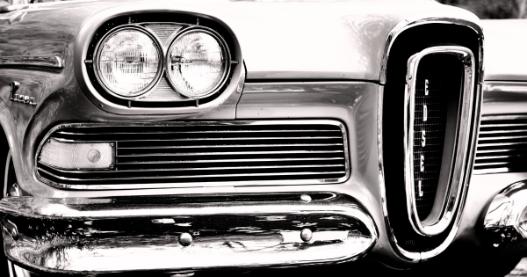
1. Ford’s Edsel Disaster
If you know anything about automotive failures, you’ve heard of the Edsel.
It’s one of the most famous product flops in business history.
In the late 1950s, Ford invested heavily in creating a new brand positioned between Ford and Mercury. They conducted extensive market research. They generated enormous publicity. They built up massive anticipation before the Edsel even reached dealerships.
Then it all went wrong.
The cars arrived at a time when consumer preferences were changing. The Edsel’s styling was… controversial, to say the least. Its pricing was awkwardly positioned. And all that marketing created expectations the product simply couldn’t meet.
Sales were disastrous. The Edsel brand was discontinued after only a few years.
The lesson: Even massive research and marketing budgets can’t rescue a product that doesn’t connect with consumers. You can’t force people to like something.
2. General Motors Ignored the Changing Market
For decades, GM was the king of big vehicles.
Large sedans, SUVs, and trucks generated massive profits. Smaller, more fuel-efficient cars? They got less attention. They weren’t the priority.
But times changed. Fuel prices went up. Foreign competition got fiercer. Consumer preferences shifted. And GM was caught flat-footed.
Then the 2008 financial crisis hit, and things went from bad to catastrophic. General Motors entered bankruptcy restructuring in 2009 and needed major government assistance to survive.
The company made it through, but barely.
The lesson: Becoming too dependent on one type of product—and one type of customer—can be deadly. Diversification matters.
3. Volkswagen’s Diesel Strategy Was a Disaster
Volkswagen made a massive bet on diesel technology.
They promoted their “clean diesel” vehicles as the perfect combination of performance, fuel economy, and lower emissions. It seemed like a winning strategy.
Then, in 2015, everything fell apart.
Regulators discovered that Volkswagen had used software designed to cheat emissions testing in certain diesel vehicles. The scandal became known as “Dieselgate.”
The fallout was enormous. Financial penalties. Recalls. Legal consequences. Massive damage to Volkswagen’s reputation. The company paid billions and is still recovering.
The lesson: Short-term competitive advantages become catastrophic when they depend on unethical or deceptive practices. Cheating always catches up with you.
4. Chrysler’s Overreliance on Minivans
Chrysler basically invented the modern minivan.
And for a while, it was incredible. The minivan became a massive success. Families loved them. Sales were through the roof.
But here’s the problem: Chrysler became heavily dependent on minivans and trucks while competitors diversified their offerings. They put all their eggs in one basket.
As consumer preferences changed and competition intensified, Chrysler struggled financially. The company went through multiple ownership changes and eventually became part of larger corporate groups.
The lesson: Relying too heavily on a successful formula is dangerous. You need to keep preparing for what customers might want next—not just what they wanted yesterday.
5. Saab Lost Its Identity
Saab was different. That was the whole point.
Its cars were distinctive, technologically interesting, and often unconventional. Saab built a fiercely loyal customer base precisely because they did things differently.
Then General Motors acquired the company, and things started to change.
Saab increasingly shared platforms and components with other GM vehicles. The strategy reduced costs, sure. But it also watered down everything that made Saab special. The uniqueness faded. The identity blurred.
Eventually, Saab struggled financially and filed for bankruptcy in 2011.
The lesson: Cost reduction can become dangerous when it destroys the very identity customers are paying for. If you’re just like everyone else, why should people choose you?
6. DeLorean’s Ambitious Dream
The DeLorean DMC-12 is one of the most iconic cars in history—mostly because of Back to the Future.
But before it became a cultural icon, the company faced some serious problems.
The DMC-12 was expensive to produce. Its performance didn’t match the expectations created by its futuristic appearance. And the company struggled with production and financing from the start.
DeLorean collapsed in the early 1980s, long before most people even knew the car existed.
Ironically, the brand became more famous after its failure than it ever was during its commercial life.
The lesson: A memorable product isn’t necessarily a sustainable business. Great design and nostalgia don’t pay the bills.
What These Failures Have in Common
These stories look completely different on the surface, but they share several patterns.
Companies underestimated changing consumer preferences. Some became too dependent on successful products. Others damaged their brand identity or failed to adapt quickly enough to technological and economic changes.
The automobile industry is particularly unforgiving because developing a new vehicle can take years and cost billions. A decision that looks reasonable today can become disastrous by the time a new model reaches the showroom.
The lesson: In the car industry, the biggest mistake isn’t making the wrong decision. It’s refusing to change after the decision proves wrong.
Conclusion
Even the biggest car companies aren’t immune to bad decisions.
Ford’s Edsel, GM’s struggles before its 2009 bankruptcy, Volkswagen’s emissions scandal, Chrysler’s dependence on certain vehicle segments, Saab’s loss of identity, and DeLorean’s failed business model all demonstrate different ways an automobile company can go wrong.
But failure can also create valuable lessons. The companies that survive are often the ones capable of admitting when their strategy isn’t working—and changing before it’s too late.
SixGlobe Takeaway
In the automobile industry, the biggest mistake isn’t making the wrong decision. It’s refusing to change after the decision proves wrong.
The car business is unforgiving. It’s expensive. It’s slow-moving. And consumer preferences can shift faster than a new model can reach the showroom.
The companies that survive are the ones that pay attention, adapt quickly, and aren’t afraid to admit when they’ve made a mistake.
Because in the end, ego doesn’t sell cars.
Follow SixGlobe
Love discovering fascinating business stories, surprising failures, and lessons from the world’s biggest companies?
Follow SixGlobe for more curiosity-driven content that makes you think, laugh, and see the business world differently.
From automotive history to startup secrets, from strange jobs to hidden psychology—we cover it all.
Join the community of curious minds. 🌍













Post Comment