Six Reasons Electric Vehicles Are Becoming Cheaper Than Ever
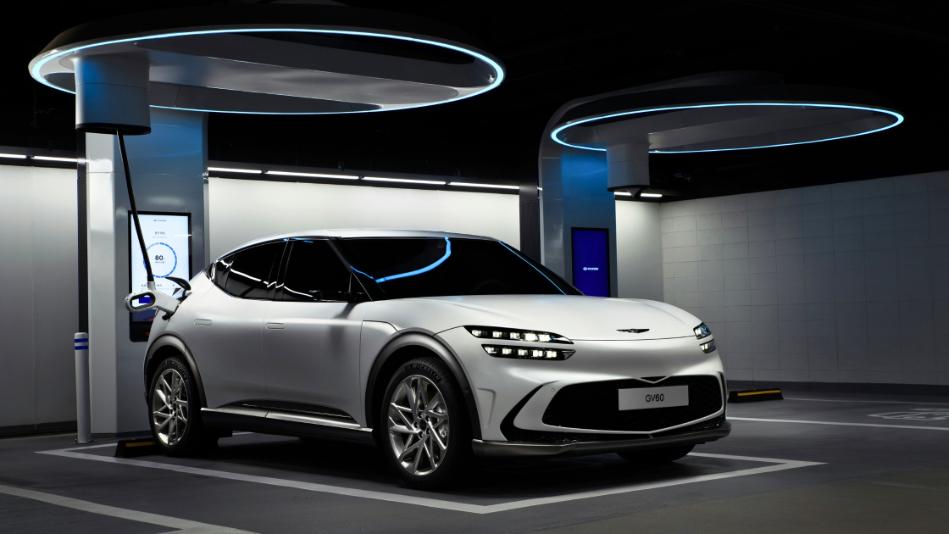
Electric vehicles are becoming more affordable thanks to falling battery prices, government incentives, lower maintenance costs, and increased competition. Here are six reasons why EVs are cheaper than ever.
Electric vehicles (EVs) have come a long way from being expensive alternatives to petrol and diesel cars. Over the past few years, advances in battery technology, growing competition among automakers, and supportive government policies have significantly reduced the cost of owning an EV. While the upfront price of some electric vehicles can still be higher than comparable gasoline-powered models, the overall cost of ownership has dropped considerably.
Industry analysts expect this trend to continue as battery manufacturing scales up, charging infrastructure expands, and more affordable models enter the market. Here are six reasons why electric vehicles are becoming cheaper than ever.
1. Battery Prices Have Dropped Dramatically
The battery pack is the single most expensive component in an electric vehicle. Fortunately, battery costs have fallen sharply over the past decade due to advances in lithium-ion technology, improved manufacturing efficiency, and large-scale production.
Automakers are also investing in new battery chemistries that require fewer expensive materials while delivering longer driving ranges. As battery costs continue to decline, manufacturers can offer EVs at lower prices without compromising performance or safety.
2. More Competition Means Better Prices
Almost every major automobile manufacturer now offers electric vehicles. Traditional brands are competing with newer EV-focused companies, giving consumers a wider selection across different price ranges.
This increased competition encourages manufacturers to improve technology while keeping prices competitive. Buyers now have access to affordable electric hatchbacks, sedans, SUVs, and even pickup trucks, making EV ownership possible for a much broader audience.
3. Government Incentives Reduce the Purchase Cost
Many countries continue to support electric vehicle adoption through tax credits, purchase subsidies, registration discounts, and lower road taxes. These incentives can significantly reduce the amount buyers pay when purchasing a new EV.
Governments are also investing heavily in public charging infrastructure and clean-energy programs, making electric vehicles more practical and attractive for everyday use.
4. Electric Vehicles Cost Less to Operate
Affordability isn’t just about the purchase price. Electric vehicles generally cost much less to run than conventional cars because electricity is often cheaper than petrol or diesel on a per-kilometre basis.
Charging at home during off-peak hours can further reduce energy costs. For drivers who cover long distances regularly, these savings can add up to thousands of dollars over the lifetime of the vehicle.
5. Maintenance Expenses Are Much Lower
Electric vehicles have fewer moving parts than internal combustion engine vehicles. They don’t require oil changes, spark plug replacements, fuel filters, or many of the routine maintenance tasks associated with gasoline-powered cars.
Regenerative braking also reduces brake wear, extending the life of brake components. Lower maintenance requirements translate into reduced service bills and fewer unexpected repair costs, making EV ownership increasingly economical.
6. Better Manufacturing and Higher Production Volumes
As global demand for electric vehicles grows, manufacturers are producing millions of EVs every year. Larger production volumes help reduce manufacturing costs through economies of scale.
Automakers are building dedicated EV factories, improving supply chains, and sourcing materials more efficiently. These improvements lower production costs, allowing companies to introduce more affordable electric models without sacrificing quality or technology.
Why This Matters
Electric vehicles are steadily moving from a niche product to a mainstream transportation option. Lower purchase prices, reduced operating costs, and improving technology are making EV ownership accessible to more families and businesses than ever before.
At the same time, expanding charging networks and continued investment in battery innovation are addressing many of the concerns that previously discouraged potential buyers. While challenges such as charging availability in some regions and battery raw material supply remain, the overall direction points toward increasingly affordable electric mobility.
Conclusion
The rapid decline in battery prices, stronger market competition, supportive government policies, lower running costs, minimal maintenance requirements, and large-scale manufacturing have collectively transformed the electric vehicle market. As these trends continue, consumers can expect even more affordable and capable EVs in the years ahead.
Whether you’re considering your first electric vehicle or simply watching the automotive industry evolve, one thing is becoming increasingly clear: electric vehicles are no longer a luxury—they are becoming an affordable choice for everyday drivers.
Follow SixGlobe
The future of mobility is changing faster than ever, with breakthroughs in electric vehicles, autonomous driving, batteries, and sustainable transportation reshaping the automotive industry. Follow SixGlobe for clear, fact-based insights into the trends, technologies, and innovations driving the next generation of transportation.














Post Comment