Six Foods That Keep You Full Longer Than You Think: What Does Science Say?
Can certain foods really keep you full for longer? Discover six science-backed foods that help increase satiety, reduce unnecessary snacking, and support healthier eating habits.
Six Foods That Keep You Full Longer Than You Think: What Does Science Say?
Have you ever finished a meal only to feel hungry again an hour later? If so, you’re not alone. Hunger isn’t determined solely by how much food you eat. The type of food matters just as much.
Scientists use the term satiety to describe the feeling of fullness that helps delay hunger after a meal. Foods rich in protein, fiber, healthy fats, or water generally keep people satisfied longer than highly processed foods that are rich in sugar or refined carbohydrates.
While no single food can eliminate hunger completely, research suggests that certain everyday foods are much better at promoting lasting fullness than others. The key is understanding why they work rather than simply eating more.
Let’s look at six foods that may keep you full longer—and what science says about them.
1. Oats: A Breakfast That Lasts
Oats have earned a reputation as one of the most satisfying breakfast foods, and research largely supports that reputation. They contain a type of soluble fiber called beta-glucan, which absorbs water and forms a gel-like substance during digestion. This slows the movement of food through the digestive system and helps you feel full for a longer period.
Unlike sugary breakfast cereals that can cause a rapid rise and fall in blood sugar, oats release energy more gradually. Many people find that a bowl of oatmeal with fruit or nuts keeps them satisfied until lunchtime.
Science doesn’t suggest that oats are a miracle food, but they are consistently associated with improved satiety compared with many refined breakfast options.
SixGlobe Verdict
What science says: ✅ Strong evidence supports oats as a filling food.
2. Eggs: Small but Surprisingly Satisfying
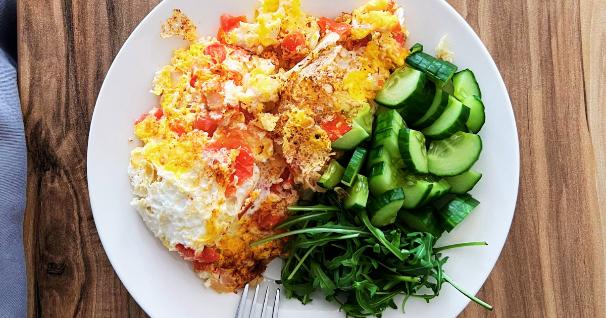
Eggs are rich in high-quality protein, which plays an important role in controlling appetite. Protein generally takes longer to digest than refined carbohydrates and can increase the release of hormones associated with fullness.
Several studies have found that people who eat eggs as part of breakfast often consume fewer calories later in the day compared with those who eat breakfasts dominated by refined grains.
The effect isn’t simply about eating eggs themselves—it’s about replacing lower-protein meals with more balanced ones.
SixGlobe Verdict
What science says: ✅ Protein-rich breakfasts can improve feelings of fullness.
3. Lentils and Beans: Fiber Meets Protein
Beans, lentils, chickpeas, and other legumes are among the few foods naturally high in both protein and dietary fiber. This combination makes them particularly effective at promoting satiety.
Fiber slows digestion, while protein helps regulate appetite. Together, they create a meal that satisfies hunger for much longer than many processed foods.
Regularly including legumes in meals may also help reduce unnecessary snacking between meals.
SixGlobe Verdict
What science says: ✅ One of the most research-supported food groups for satiety.
4. Greek Yogurt: More Than Just a Snack
Greek yogurt contains significantly more protein than many regular yogurts while often containing less added sugar, depending on the variety you choose.
Protein-rich snacks can help reduce hunger between meals without causing large fluctuations in blood sugar. Pairing plain Greek yogurt with fruit or nuts can further increase its ability to keep you satisfied.
Choosing unsweetened versions also helps avoid excessive added sugars that may reduce the overall nutritional benefit.
SixGlobe Verdict
What science says: ✅ A high-protein option that supports lasting fullness.
5. Potatoes: An Underrated Filling Food
Potatoes are sometimes criticized because of their carbohydrate content, but when prepared in healthy ways—such as boiling or baking—they are surprisingly filling.
Research comparing different foods has found that boiled potatoes rank very highly for satiety. Their combination of water, carbohydrates, and natural fiber helps people feel satisfied after eating.
The key difference lies in preparation. Boiled potatoes have very different nutritional effects from heavily processed potato chips or deep-fried fries.
SixGlobe Verdict
What science says: ✅ Plain potatoes are far more filling than their reputation suggests.
6. Apples: Nature’s Convenient Appetite Helper
Apples are rich in water and fiber, making them a satisfying snack despite being relatively low in calories.
Because they require chewing and digest more slowly than fruit juice or sugary snacks, apples often help people feel fuller between meals.
Eating whole fruit rather than drinking fruit juice also preserves the fiber that contributes to satiety.
SixGlobe Verdict
What science says: ✅ Whole fruits generally promote greater fullness than processed alternatives.
SixGlobe Reality Check
| Food | Main Reason It Keeps You Full | Science Verdict |
|---|---|---|
| Oats | Soluble fiber (beta-glucan) | ✅ Strong evidence |
| Eggs | High-quality protein | ✅ Well supported |
| Lentils & Beans | Protein + fiber | ✅ Strong evidence |
| Greek Yogurt | High protein | ✅ Well supported |
| Boiled Potatoes | Water + fiber + starch | ✅ Surprisingly effective |
| Apples | Fiber + water | ✅ Well supported |
Why This Matters
Many people believe staying full simply means eating larger portions. In reality, the composition of a meal often matters more than its size.
Meals that combine protein, fiber, and minimally processed ingredients tend to provide more lasting satisfaction than foods high in refined sugar or highly processed carbohydrates. This doesn’t mean you should avoid all treats, but understanding how different foods affect hunger can help you make choices that support your health goals.
Rather than searching for a single “superfood,” building balanced meals with satisfying ingredients is a more sustainable approach.
Conclusion
So, what does science say?
The evidence suggests that foods rich in protein, fiber, and water are generally the most effective at promoting lasting fullness. Oats, eggs, legumes, Greek yogurt, boiled potatoes, and apples all have qualities that help reduce hunger naturally.
No food can guarantee you’ll never feel hungry again, and individual responses vary from person to person. However, choosing meals built around these foods can make it easier to manage appetite, reduce unnecessary snacking, and maintain a healthier eating pattern over time.
The goal isn’t to eat more—it’s to eat smarter.
Follow SixGlobe for more science-backed nutrition insights, lifestyle articles, and practical health tips that separate facts from myths.
SixGlobe Takeaways
- Feeling full depends on food quality as much as quantity, with protein and fiber playing major roles.
- Oats, legumes, and apples provide fiber that slows digestion, helping extend satiety.
- Protein-rich foods like eggs and Greek yogurt can help reduce hunger between meals.
- Boiled potatoes are more filling than many people realize, despite common misconceptions about carbohydrates.
- Whole foods generally keep you fuller than highly processed alternatives, even when calorie counts are similar.
- Balanced eating patterns—not miracle foods—are the most reliable way to manage hunger over the long term.














Post Comment