Six Entertainment Trends Changing What We Watch in 2026 — Is Hollywood Losing Control?
Discover six entertainment trends changing what we watch in 2026, from AI and creators to streaming, cinemas, and the future of Hollywood.
Six Entertainment Trends Changing What We Watch in 2026 — Is Hollywood Losing Control?
Entertainment is changing faster than ever. The traditional Hollywood system still has enormous influence, but audiences now discover movies, shows, celebrities, and even new forms of entertainment through creators, social platforms, AI tools, and streaming services.
The biggest shift is simple: people are gaining more control over what they watch and who they watch. Here are six trends shaping entertainment in 2026.
1. AI Is Entering the Entertainment Industry
Artificial intelligence is moving from being a futuristic idea to becoming a practical tool in entertainment production. Studios and creators are experimenting with AI for visual effects, dubbing, editing, story development, animation, and other production tasks.
But AI is also creating a major debate. If technology can generate convincing actors, voices, music, and scenes, where should human creativity end and AI begin?
The technology could make production faster and cheaper, but audiences may increasingly demand something AI cannot easily manufacture: authentic human creativity.
2. YouTubers and Creators Are Becoming Entertainment Giants
The definition of an entertainer is changing.
A creator with millions of followers can now launch a show, produce a movie, sell tickets, build a media company, or create a global fan community without starting inside Hollywood.
This gives creators something traditional studios have always wanted—a built-in audience.
Instead of waiting for a studio to discover them, creators can build their own audience first and negotiate with studios later.
3. Streaming Is Chasing Superfans, Not Just Subscribers
Streaming services once focused heavily on gaining as many subscribers as possible.
Now the battle is becoming more complicated. Services need viewers to stay, watch regularly, and become deeply connected to particular shows and franchises.
That is why entertainment companies are increasingly building entire ecosystems around popular properties, including merchandise, games, live events, spin-offs, and social-media communities.
The goal isn’t simply to make someone watch a show once.
The goal is to turn viewers into fans.
4. Movie Theaters Are Fighting Back
Streaming changed how people watch movies, but the cinema experience hasn’t disappeared.
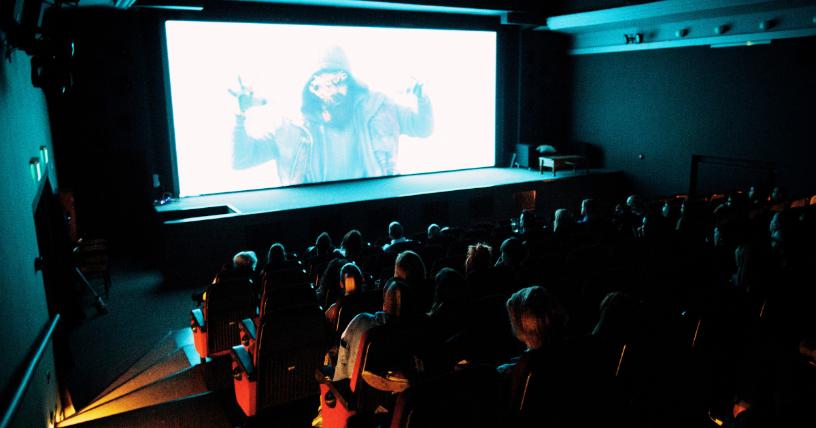
Instead, theaters are increasingly relying on movies that feel like events—large-scale blockbusters, major franchises, concerts, special screenings, and films that audiences want to experience together.
People can watch thousands of hours of entertainment at home. That makes a simple movie less special.
A massive screen, loud sound system, packed audience, and a highly anticipated film offer something streaming cannot completely reproduce.
The future of theaters may therefore be less about showing everything and more about making certain movies feel impossible to miss.
5. AI Is Becoming Part of Entertainment Discovery
Another major change is happening before people even press play.
Instead of searching through dozens of streaming menus, younger audiences are increasingly turning to social media, creators, recommendation systems, and AI-powered tools to decide what they should watch.
That could fundamentally change entertainment marketing.
A movie no longer has to win only through a giant advertising campaign. A viral clip, creator recommendation, meme, or AI-generated recommendation could suddenly put an older or lesser-known movie in front of millions of people.
Discovery itself is becoming entertainment.
6. Audiences Are Looking for More Real Experiences
After years of endless digital content, audiences are showing growing interest in experiences that feel personal, physical, and real.
Concerts, live shows, fan conventions, sports-related entertainment, immersive experiences, and major cultural events can create something streaming cannot: a sense that you had to be there.
This could become one of entertainment’s biggest paradoxes.
The more entertainment becomes digital, personalized, and available everywhere, the more valuable shared real-world experiences may become.
Conclusion
Hollywood isn’t disappearing. But its monopoly over entertainment is weakening.
Studios still control enormous budgets, famous franchises, distribution networks, and global stars. However, creators, streaming platforms, AI companies, social networks, and audiences themselves now have more influence over what becomes popular.
The biggest question isn’t whether Hollywood will survive.
It’s whether Hollywood will still be the place where entertainment trends begin.
Follow SixGlobe for more curious stories about entertainment, technology, business, and the trends changing the world.














Post Comment