Six Hidden Worlds Beneath American Cities That Most People Never See
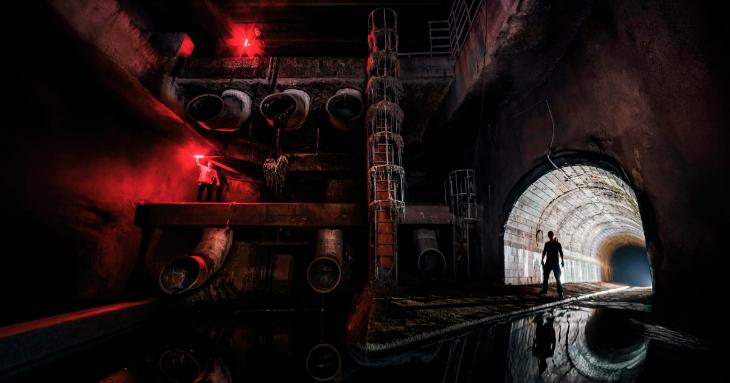
From Seattle’s buried downtown to New York’s abandoned subway stations, these six hidden worlds beneath American cities reveal a secret history most people never see.
Six Hidden Worlds Beneath American Cities That Most People Never See
Let’s be real for a second.
When you walk through a major American city, you probably look up. Skyscrapers. Billboards. Streetlights. The usual stuff.
But what if you looked down?
Beneath the traffic, sidewalks, and subway systems are forgotten spaces that tell stories about how cities were built, destroyed, expanded, and rebuilt. Some were deliberately constructed. Others were buried by urban development or abandoned when they were no longer useful.
And a few are still part of everyday city life—even though millions of people walk directly above them without having any idea what exists below.
Here are six hidden worlds beneath American cities that most people never see.
1. Seattle’s Underground City — A Downtown Buried Below Downtown
Seattle has one of the strangest urban stories in America.
After the Great Seattle Fire of 1889 destroyed much of the downtown area, the city decided to raise the streets. New roads were constructed several feet higher than the original ones, leaving the first floors of many buildings below the new street level.
For years, these forgotten sidewalks and storefronts sat beneath the modern city, completely abandoned.
Today, portions of the underground district can be explored on historical tours. Visitors can walk along old sidewalks and see remnants of businesses that once operated at street level—shops, hotels, even toilets.
What makes Seattle so fascinating is that the underground space isn’t just a tunnel system. It’s a physical layer of the city’s past, frozen in time.
The bottom line: Seattle literally built a new city on top of its old one.
2. New York’s Abandoned Subway Stations — Ghosts of the Original Subway
New York City’s subway system is massive. But not every station is still serving passengers.
One of the most famous examples is City Hall Station, which opened with the original subway system in 1904. It was designed to impress—elegant arches, decorative tiles, chandeliers, and skylights made it look more like a grand public building than a transportation stop.
But its curved platform eventually became impractical as newer subway trains grew longer. The station closed to regular passengers in 1945.
Today, trains still pass through the abandoned station, giving passengers a brief glimpse of a forgotten chapter of New York’s transportation history.
Beneath the world’s busiest city, part of its first subway era still survives.
The bottom line: Some of New York’s most beautiful stations are the ones nobody uses anymore.
3. Chicago’s Underground Pedway — A Second Transportation Network
Chicago is famous for its elevated trains, skyscrapers, and crowded downtown streets. But beneath the city exists another network that many visitors never notice.
The Chicago Pedway connects portions of downtown through underground and enclosed pedestrian passages.
People can use sections of the network to reach offices, hotels, shops, restaurants, transportation hubs, and public buildings—without ever returning to street level.
Its importance becomes especially obvious during Chicago’s freezing winters. Instead of crossing busy streets in extreme weather, pedestrians can travel through sections of the connected system below the city.
It isn’t a secret bunker or abandoned world. It’s something arguably more interesting: a functioning second layer of urban life hidden underneath one of America’s busiest downtowns.
The bottom line: Chicago has a whole other city beneath its streets.
4. Washington, D.C.’s Underground Tunnels — A City Beneath the Capital
Washington, D.C. has an enormous amount of infrastructure beneath its famous monuments and government buildings.
Among the most intriguing are tunnels and underground passages associated with transportation, utilities, government facilities, and historic infrastructure.
Some spaces are publicly accessible, while others are restricted for security or operational reasons. The underground infrastructure has evolved alongside the capital itself, creating layers of engineering beneath the streets.
The interesting part isn’t the idea of a single mysterious secret tunnel. It’s the sheer complexity of what exists underground in a city designed around government, transportation, and national infrastructure.
The capital’s visible architecture gets most of the attention, but an entirely different engineering world operates below it.
The bottom line: Washington’s most important infrastructure might be the stuff you can’t see.
5. Louisville Mega Cavern — A Giant Space Beneath the City
Louisville Mega Cavern is one of the most unusual underground spaces in an American city.
The enormous cavern was created through limestone mining rather than designed as a conventional underground facility. It’s massive—big enough to fit entire buildings inside.
After mining ended, the space found new uses. Today, parts of the cavern host attractions, zip lines, and other activities, turning an industrial underground environment into a destination.
Standing inside it, it’s hard to reconcile the scale of the cavern with the city above. Streets, homes, businesses, and vehicles operate normally overhead while a massive subterranean space stretches underneath.
It’s a powerful reminder that some of America’s largest hidden spaces weren’t built for tourism at all. They were created by industry.
The bottom line: Louisville has a cavern so big it’s hard to believe it’s there.
6. Las Vegas Flood Tunnels — The Hidden Infrastructure Beneath the Entertainment Capital
Las Vegas is famous for neon lights, casinos, luxury hotels, and entertainment. But beneath this glamorous image lies infrastructure built for a very different reason.
Because Las Vegas sits in a desert environment vulnerable to sudden heavy rainfall and flash flooding, the city has developed extensive flood-control infrastructure, including underground channels and tunnels.
These structures are designed to move enormous amounts of stormwater away from developed areas when intense rain arrives.
The contrast is striking. Above ground is one of America’s most recognizable entertainment destinations. Below it is a network designed around an environmental threat that can turn dry desert streets into dangerous waterways.
It’s an example of how much of a modern city’s survival depends on infrastructure that residents rarely see.
The bottom line: Vegas has a whole other world below the neon.
Why Cities Have Hidden Worlds Beneath Them
Underground spaces usually exist for practical reasons.
Cities need transportation systems, drainage networks, utility corridors, foundations, storage areas, mining operations, and pedestrian connections. As cities expand, older infrastructure is sometimes abandoned, buried, rebuilt, or incorporated into newer systems.
That creates layers.
A modern street can sit above a nineteenth-century structure. A subway line can pass through an abandoned station. A shopping district can connect to underground pedestrian corridors. A massive cavern can exist beneath an ordinary neighborhood.
The deeper you look, the more complicated the history of a city becomes.
The bottom line: Cities aren’t just built upward. They’re built downward too.
Conclusion
The most fascinating part of America’s cities isn’t always visible from the sidewalk.
Beneath Seattle lies an older version of downtown. Beneath New York are forgotten subway spaces. Chicago has pedestrian routes hidden below its streets. Washington, D.C. has layers of infrastructure beneath the capital. Louisville has a massive industrial cavern. And Las Vegas relies on underground systems to protect itself from flash floods.
These places show that cities are more than just what you see on the surface.
The next time you walk through a major American city, remember: there may be an entirely different world beneath your feet.
SixGlobe Takeaway
The cities we walk through every day are only half the story.
Beneath the streets, the skyscrapers, and the busy sidewalks are hidden worlds—some abandoned, some still in use, and some waiting to be discovered.
These underground spaces remind us that cities are layered. They grow not just upward, but downward too. And sometimes, the most fascinating parts of a city’s history are the ones buried beneath our feet.
So the next time you’re walking down a busy street, take a moment to think about what might be underneath.
You might be standing on top of something incredible.
Follow SixGlobe
Love discovering hidden places, fascinating history, and surprising stories from around the world?
Follow SixGlobe for more curiosity-driven content that makes you think, wonder, and see the world differently.
From underground cities to forgotten history, from strange jobs to business secrets—we cover it all.
Join the community of curious minds. 🌍














Post Comment