Six Motorcycle Engines That Sound Like Music
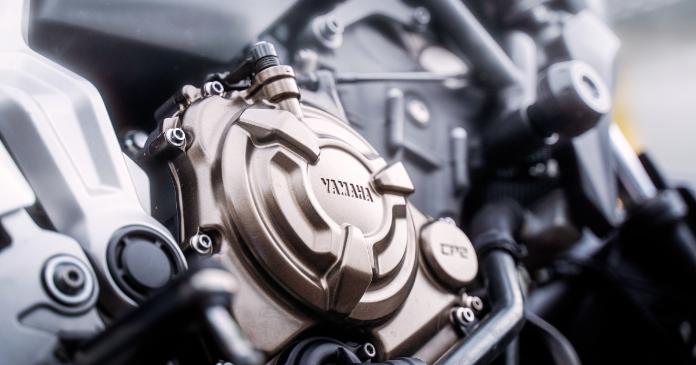
Six motorcycle engines famous for unforgettable sounds, from screaming inline-fours and crossplane engines to deep V-twins and legendary two-strokes.
Six Motorcycle Engines That Sound Like Music
Motorcycles don’t just move—they sing. The combination of engine configuration, firing order, exhaust design, and RPM can create sounds that are instantly recognizable to enthusiasts.
Some engines produce a deep rumble, others scream at incredible RPM, while a few create unusual mechanical rhythms that sound almost musical. Here are six motorcycle engines famous for their unforgettable sound.
1. Honda Inline-Four
Honda’s classic inline-four engines are legendary for their smooth, high-revving character.
Models such as the CB750 helped popularize the configuration, while later Honda sportbikes pushed it even further. As the engine climbs through the rev range, the four-cylinder firing sequence produces a distinctive smooth scream.
It’s one of the sounds that helped define the classic Japanese superbike.
2. Yamaha Crossplane Four-Cylinder
Yamaha took the traditional four-cylinder formula and gave it a very different personality.
The crossplane crankshaft used in the YZF-R1 changes the firing intervals, creating a deeper, uneven exhaust note compared with conventional inline-four engines. The result is a distinctive growl that many riders can identify almost instantly.
It doesn’t sound like a typical four-cylinder—and that’s exactly the point.
3. Ducati V-Twin
Ducati’s V-twin engines have produced one of the most recognizable sounds in motorcycling.
The combination of two large cylinders, the 90-degree V configuration, and Ducati’s performance-oriented tuning creates a deep, aggressive pulse. Older Ducati V-twins became especially famous for their distinctive exhaust note.
For many enthusiasts, that sound is as much a part of Ducati’s identity as its red bodywork.
4. Harley-Davidson V-Twin
Few motorcycle engines have a sound as culturally recognizable as the Harley-Davidson V-twin.
Its large cylinders and characteristic firing rhythm produce the slow, deep “potato-potato” sound associated with classic American motorcycles. The sound isn’t about screaming RPM—it is about low-frequency mechanical character.
Over the decades, that distinctive engine note has become an important part of Harley-Davidson’s brand identity.
5. Triumph Triple
A three-cylinder motorcycle engine occupies an interesting middle ground.
It can deliver more character than many four-cylinder engines while revving more freely than many twins. Triumph’s triple-cylinder engines are particularly famous for their combination of a deep growl at lower RPM and an exciting howl as the revs climb.
The unique firing sequence gives the engine a sound that is difficult to confuse with anything else.
6. Kawasaki Two-Stroke Triple
For something completely different, look back to the legendary Kawasaki two-stroke triples of the 1970s.
Their lightweight engines delivered a sharp, aggressive exhaust note accompanied by the distinctive sound of two-stroke combustion. Bikes such as the Kawasaki H2 became famous for their performance—and their unforgettable soundtrack.
Today, these engines are remembered as much for their sound and character as for their historical importance.
Why Do Motorcycle Engines Sound So Different?
Engine sound isn’t determined simply by the number of cylinders.
Cylinder arrangement, crankshaft design, firing order, displacement, RPM, intake design, exhaust system, and even the engine’s mechanical components all influence the final sound.
That’s why two motorcycles with the same number of cylinders can sound completely different.
Conclusion
A motorcycle engine can have a personality of its own. Some growl, some roar, and others scream—and experienced riders can often identify a motorcycle before they even see it.
Technology may continue to change motorcycles, but the emotional connection between riders and engine sound isn’t disappearing anytime soon.
SixGlobe Takeaway
For motorcycle enthusiasts, the engine isn’t just a machine. It’s an instrument—and every configuration plays a different song.












Post Comment