Six Reasons Modern Cars Last Longer Than Older Ones: Is It Really True?
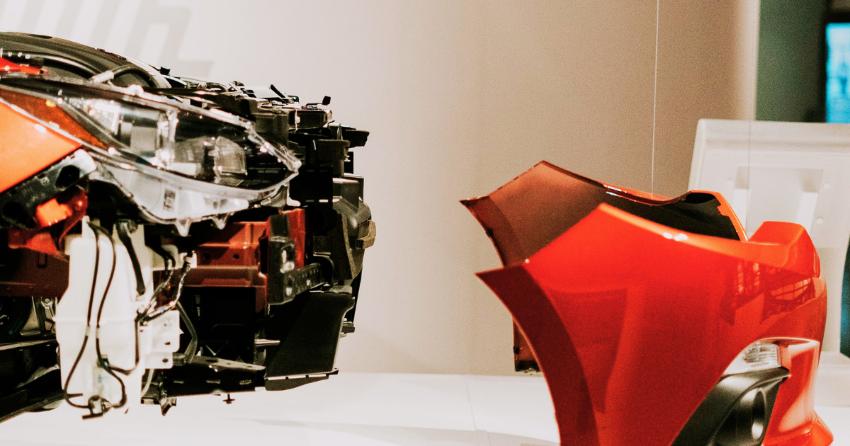
Do modern cars really last longer than older ones? Discover six reasons today’s vehicles often achieve higher mileage and longer lifespans—and learn the trade-offs that come with modern automotive technology.
Six Reasons Modern Cars Last Longer Than Older Ones: Is It Really True?
It’s a debate that car enthusiasts have had for years.
Some people believe older cars were built like tanks and could run forever with basic maintenance. Others argue that modern vehicles are more reliable, safer, and capable of covering hundreds of thousands of kilometers with relatively few major problems.
So, who’s right?
The answer is more balanced than many people expect. Older cars were often simpler and easier to repair, but today’s vehicles benefit from decades of advances in engineering, manufacturing, materials science, electronics, and quality control. These improvements mean that, when properly maintained, many modern cars can comfortably exceed 200,000 or even 300,000 kilometers.
Let’s examine six reasons why modern cars often last longer than older ones—and whether the claim is really true.
1. Engines Are Built With Greater Precision
One of the biggest reasons modern cars last longer is the extraordinary precision with which their engines are manufactured.
Today’s computer-controlled production lines can produce engine components with extremely tight tolerances. Pistons, cylinders, bearings, and crankshafts fit together more accurately than they did decades ago, reducing unnecessary friction and wear.
This precision allows engines to operate more efficiently while placing less stress on internal components over thousands of hours of use.
Older manufacturing methods were impressive for their time, but they simply couldn’t achieve today’s level of consistency.
SixGlobe Verdict
Reality Check: ✅ Better manufacturing precision has significantly increased engine durability.
2. Modern Materials Resist Wear Better
Car manufacturers now use stronger steels, lightweight alloys, improved plastics, advanced coatings, and better corrosion-resistant materials throughout a vehicle.
Rust was once one of the biggest reasons cars reached the end of their lives. Today, improved galvanization techniques, protective coatings, and better paint systems help many vehicles withstand harsh weather for much longer.
The same improvements extend to engine components, suspension parts, and transmissions, allowing them to survive years of daily driving.
SixGlobe Verdict
Reality Check: ✅ Modern materials help vehicles age more slowly than many older models.
3. Smarter Computers Protect the Engine
Older engines relied almost entirely on mechanical systems to manage fuel and ignition timing.
Modern vehicles constantly monitor hundreds of operating conditions using sensors and electronic control units (ECUs). They automatically adjust fuel delivery, ignition timing, air intake, and engine performance to reduce unnecessary wear.
If something begins to go wrong, the onboard diagnostics system often detects the issue long before it becomes a major failure.
Instead of waiting for a serious breakdown, drivers can often fix small problems early.
SixGlobe Verdict
Reality Check: ✅ Modern electronics help prevent damage instead of simply reacting to it.
4. Better Oils and Fluids Extend Component Life
Engine oil has evolved just as much as engines themselves.
Today’s synthetic oils provide better lubrication, maintain stable performance across a wider temperature range, and resist breaking down under high heat.
Modern transmission fluids, coolants, and other lubricants are also engineered to protect components far more effectively than many older formulations.
These advances reduce friction, minimize wear, and help critical parts operate efficiently for much longer.
SixGlobe Verdict
Reality Check: ✅ Better lubricants quietly add thousands of kilometers to a vehicle’s lifespan.
5. Manufacturers Design for Long-Term Reliability
Automakers collect enormous amounts of real-world data from testing programs and customer feedback.
This allows engineers to identify weak components, improve designs, and eliminate recurring problems before future models reach customers.
Vehicles also undergo extensive durability testing in extreme heat, freezing temperatures, rough roads, and high-speed conditions to ensure they can withstand years of everyday use.
While no vehicle is perfect, modern development processes are far more sophisticated than they were several decades ago.
SixGlobe Verdict
Reality Check: ✅ Continuous engineering improvements have increased overall reliability.
6. Maintenance Has Become Smarter
Modern cars remind drivers when servicing is required.
Oil-life monitoring systems, maintenance alerts, onboard diagnostics, and predictive maintenance technologies help owners care for their vehicles before problems become serious.
Instead of relying entirely on experience or guesswork, drivers receive timely information about their car’s condition.
Regular maintenance remains essential, but today’s technology makes it much easier to perform it at the right time.
SixGlobe Verdict
Reality Check: ✅ Smarter maintenance systems help modern cars stay healthier for longer.
SixGlobe Reality Check
| Reason | Does It Increase Lifespan? | Science & Engineering Verdict |
|---|---|---|
| Precision manufacturing | ✅ Yes | Strong evidence |
| Better materials | ✅ Yes | Strong evidence |
| Electronic engine management | ✅ Yes | Strong evidence |
| Advanced lubricants | ✅ Yes | Well supported |
| Improved engineering | ✅ Yes | Strong evidence |
| Smarter maintenance systems | ✅ Yes | Well supported |
Why This Matters
Many people assume older cars lasted longer because they were mechanically simpler. Simplicity certainly made repairs easier, but simplicity alone doesn’t guarantee durability.
Modern vehicles benefit from decades of engineering progress that reduce wear, improve efficiency, and help detect problems before they become expensive failures. As a result, it is no longer unusual for well-maintained cars to remain reliable well beyond 200,000 kilometers.
That said, longevity still depends on the owner. Skipping maintenance, ignoring warning lights, or driving aggressively can shorten the life of any vehicle, regardless of how advanced it is.
Conclusion
So, is it really true that modern cars last longer than older ones?
In most cases, yes.
Advances in manufacturing, stronger materials, smarter electronics, better lubricants, and improved maintenance systems have all contributed to vehicles that are more durable than ever before.
However, modern cars also contain far more electronics and software than older models. While their engines and mechanical systems often last longer, repairs involving advanced sensors or electronic components can sometimes be more expensive.
Ultimately, the longest-lasting car isn’t necessarily the newest or the oldest—it’s the one that’s properly maintained throughout its life.
Follow SixGlobe for more evidence-based automotive insights, engineering explainers, and fascinating facts about the technology shaping the future of driving.
SixGlobe Takeaways
- Modern manufacturing techniques produce engines with greater precision, reducing long-term wear.
- Improved materials and corrosion protection help vehicles last longer, especially in challenging environments.
- Electronic engine management systems continuously optimize performance, protecting key components.
- Synthetic oils and advanced fluids reduce friction, extending engine and transmission life.
- Modern engineering and extensive testing have significantly improved vehicle reliability over previous generations.
- Smart maintenance systems help drivers identify problems early, increasing the chances of a longer vehicle lifespan.














Post Comment