Six Ways Your Thoughts Could Control Computers Within the Next Decade
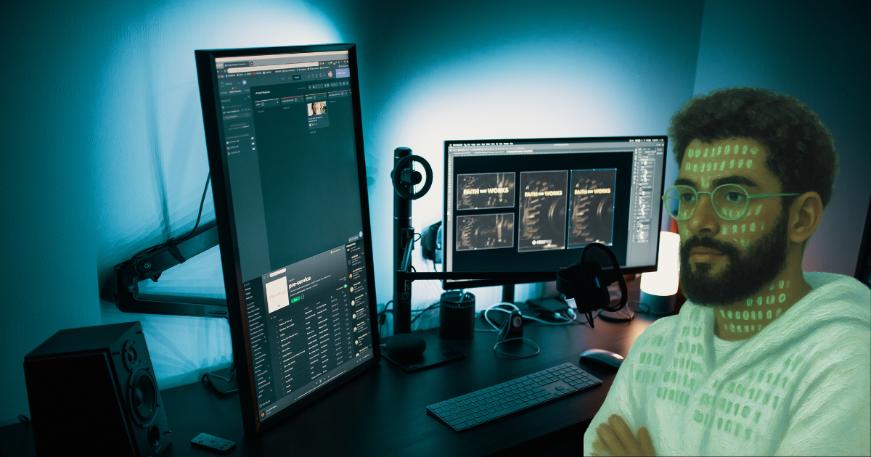
Discover six incredible ways brain-computer interface technology could let humans control computers using only their thoughts within the next decade.
Six Ways Your Thoughts Could Control Computers Within the Next Decade
Imagine typing an email, playing a video game, or controlling a robotic arm without touching a keyboard, mouse, or screen. Instead, your brain does all the work.
This futuristic concept is becoming increasingly realistic thanks to rapid advances in brain-computer interfaces (BCIs). These systems create a direct communication pathway between the human brain and external devices by interpreting electrical signals produced by neurons.
Although the technology is still evolving, researchers and technology companies are making remarkable progress. Within the next decade, thought-controlled computing could move beyond laboratories and into everyday life.
Here are six ways your thoughts could control computers in the near future.
1. Typing Without Using a Keyboard
One of the first widespread applications of brain-computer interfaces could be thought-based typing.
Instead of pressing keys, users would simply think about the words they want to write. Advanced AI algorithms would interpret brain signals and convert them into text displayed on a computer or smartphone.
For people with physical disabilities, this technology could provide a faster and more natural way to communicate. As accuracy improves, it may also become a hands-free option for everyday users.
2. Controlling Smart Homes With Your Mind
Future smart homes may respond directly to your thoughts.
Imagine mentally turning on the lights, adjusting the air conditioner, locking doors, or starting your coffee machine without speaking or touching a device.
Brain-computer interfaces combined with artificial intelligence could recognize specific thought patterns and securely translate them into commands for connected home devices.
This could make daily life more convenient, particularly for elderly individuals and people with limited mobility.
3. Playing Video Games Using Pure Thought
Gaming could become more immersive than ever before.
Instead of relying entirely on controllers, players may use brain signals to move characters, cast abilities, steer vehicles, or interact with virtual worlds.
Game developers are already experimenting with brain-controlled gameplay, and future systems could combine eye tracking, motion sensors, and brain activity for highly responsive experiences.
Competitive gaming may also evolve as players develop new mental control skills.
4. Operating Robotic Arms and Prosthetic Limbs Naturally
Brain-controlled prosthetics are among the most promising applications of BCI technology.
Users can already perform simple movements with robotic limbs by thinking about the desired action. Future systems are expected to become faster, more precise, and capable of providing sensory feedback, allowing users to feel pressure, texture, or temperature.
This technology has the potential to transform the lives of millions of people living with limb loss or paralysis.
5. Navigating Computers Without a Mouse
The traditional mouse could eventually become optional.
Future operating systems may allow users to open applications, move files, browse websites, or edit documents through thought-based commands.
Artificial intelligence would continuously learn each user’s unique brain patterns, improving speed and accuracy over time.
Combined with voice recognition and gesture controls, brain-computer interfaces could create entirely new ways of interacting with digital devices.
6. Communicating Faster During Emergencies
In high-pressure situations where speaking or moving is difficult, thought-controlled communication could prove invaluable.
Emergency responders, astronauts, military personnel, surgeons, and individuals with severe medical conditions may be able to send simple commands or messages using brain activity alone.
As wearable brain sensors become smaller and more reliable, this technology could improve communication in environments where traditional methods are limited or impossible.
Why This Matters
Brain-computer interfaces represent a major shift in human-computer interaction. Instead of adapting to machines through keyboards and touchscreens, machines will increasingly adapt to the human brain.
These advances could improve accessibility, healthcare, education, productivity, entertainment, and communication. However, they also raise important questions about privacy, data security, and the ethical use of brain data.
As the technology develops, balancing innovation with responsible safeguards will be essential.
SixGlobe Takeaways
- Brain-computer interfaces could transform how humans interact with computers, making keyboards, mice, and touchscreens less essential in many situations.
- Healthcare is expected to benefit the most, with thought-controlled prosthetics and communication tools offering new independence for people with disabilities.
- Everyday technology could become hands-free, allowing users to control smart homes, devices, and digital services using only their thoughts.
- Artificial intelligence will play a crucial role by accurately translating complex brain signals into meaningful computer commands.
- Privacy and cybersecurity will become major concerns, as brain data may require stronger protections than traditional personal information.
- The next decade could mark the beginning of a new era in computing, where human thoughts become a natural interface for interacting with digital systems.
Conclusion
Thought-controlled computers are no longer confined to science fiction. Advances in neuroscience, artificial intelligence, and wearable technology are bringing brain-computer interfaces closer to everyday use.
While widespread adoption may still take several years, the next decade could fundamentally change how humans interact with technology. From typing with your mind to controlling smart homes and robotic devices, the future of computing may begin with a single thought.
Follow SixGlobe for more fascinating articles on artificial intelligence, emerging technologies, science, and the innovations shaping the future.














Post Comment