Six Weird Startup Ideas Investors Actually Funded
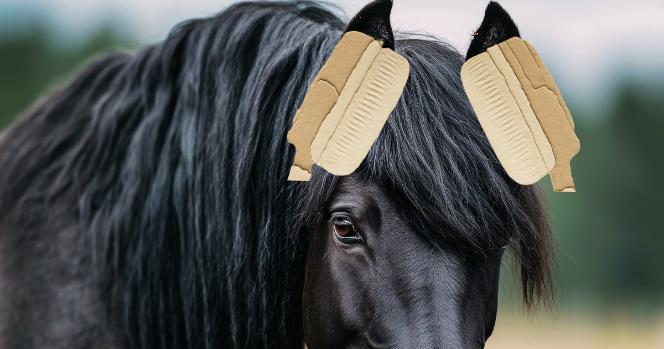
From laser-wielding bird control to headphones for horses, these six bizarre startup ideas actually attracted investor funding. Here’s why.
Six Weird Startup Ideas Investors Actually Funded
Let’s be real for a second.
When you think of startup ideas that get funded, you probably picture the next big thing. Disruptive technology. Massive markets. Billion-dollar potential.
But sometimes, investors put money behind ideas that sound completely ridiculous at first.
A startup doesn’t necessarily need a glamorous product or a massive market on day one. Some founders have managed to convince investors to fund ideas that sound like jokes, experiments, or products nobody would ever need.
Yet behind the weirdness is often a real problem.
Here are six startup ideas that were strange enough to make people laugh—but serious enough to attract investors.
1. Bird-Control Lasers
Birds flying near airports can create serious safety problems. Bird Control Group took an unusual approach: lasers.
The company developed laser-based systems designed to discourage birds from entering dangerous areas without physically harming them. Think sci-fi, but for bird safety.
It sounds like something from a science-fiction movie, but investors put money behind the idea. CB Insights reported about $1.94 million in funding for the company.
The idea shows that a strange-looking product can make sense when it tackles an expensive and very specific problem.
The takeaway: Weird technology becomes practical when it solves a real operational problem.
2. Headphones for Horses
What if your horse could listen to music?
HorseCom built a system involving headphones for horses and a microphone-equipped helmet for riders. The idea was to help horses stay calm and allow riders to communicate with them more effectively. CB Insights reported approximately $1.13 million in funding.
At first glance, it sounds absurd. Headphones? For horses?
But the company was targeting a passionate niche: horse owners and riders who already spend heavily on animal care and training. For them, it made perfect sense.
The takeaway: A niche market can be valuable when its customers are highly engaged.
3. A Device That Gives You a Shock
Breaking bad habits is difficult. Pavlok tried to solve the problem with an unconventional approach: a wearable device that delivers a mild electrical stimulus when users engage in unwanted behaviors.
Yes, it literally shocks you when you do something you’re trying to stop.
The startup attracted funding despite its unusual concept. CB Insights listed roughly $270,000 in funding in its database.
The product was designed around behavioral conditioning rather than traditional reminders or motivational apps. Shocking? Yes. But also surprisingly effective for some people.
The takeaway: Investors may back unusual solutions when the underlying problem is familiar and persistent.
4. A Toothbrush That Becomes a Game Controller
Getting children to brush their teeth can be a daily battle. Every parent knows the struggle.
Playbrush turned the toothbrush into something resembling a game controller. Children could interact with games while brushing, making an ordinary hygiene routine more entertaining.
The company attracted approximately $760,000 in funding, according to CB Insights.
The idea wasn’t really about toothbrushes. It was about changing children’s behavior through entertainment.
The takeaway: Adding fun to a boring activity can create an entirely new product category.
5. A Smart Ball for Playing With Your Pet Remotely
Leaving a pet alone at home can make owners feel guilty.
PlayDate developed a remotely controlled ball with a built-in camera, allowing owners to interact with their pets from a smartphone even when they weren’t physically there.
CB Insights reported around $680,000 in funding for the startup.
The concept sounds excessive until you consider how much people care about their pets. For pet owners, this wasn’t weird—it was a solution to a real emotional problem.
The takeaway: Emotional problems can create surprisingly strong markets.
6. Customizable Marshmallows Delivered to Your Door
What could possibly be innovative about marshmallows?
Boomf built a business around customizable marshmallows that could feature edible images or messages. The company attracted about $1.05 million in funding, according to CB Insights.
It wasn’t selling revolutionary food technology. It was selling personalization, novelty, and a giftable experience.
People don’t always buy products because they need them. Sometimes they buy them because they’re fun, surprising, or perfect for a particular occasion.
The takeaway: A product doesn’t have to be essential to become commercially interesting.
Why Would Investors Fund Ideas Like These?
The strange part isn’t necessarily the product.
It’s that each startup identified a specific group of people with a specific problem, desire, or obsession.
- Birds near airports are a real problem.
- Horse owners are willing to spend money on their animals.
- Parents want children to brush their teeth.
- Pet owners want to interact with their pets.
- And people love personalized gifts.
The products sound weird because they target problems that most people don’t think about.
That’s exactly what can make them interesting.
The Hidden Pattern Behind Weird Startups
Successful unusual startups often follow a simple formula:
Strange idea + real problem + paying customers = potentially interesting business.
The mistake is assuming that a startup must appeal to everyone.
A company doesn’t necessarily need hundreds of millions of customers. It can begin by becoming extremely valuable to a smaller group.
That’s why investors sometimes fund ideas that seem ridiculous to outsiders.
They aren’t necessarily betting on the weirdness.
They’re betting on the problem underneath it.
Conclusion
The startup world is full of ideas that sound ridiculous until you understand the customer.
A toothbrush that plays games, headphones for horses, lasers that scare away birds, or a remotely controlled pet toy might sound unnecessary at first. But each demonstrates an important entrepreneurial principle: weird doesn’t automatically mean worthless.
Sometimes the strangest startup ideas are simply opportunities hiding in markets that everyone else overlooked.
And the next time you hear someone say, “Who would ever pay for that?”, that might be exactly the question worth investigating.
SixGlobe Takeaway
Great startup ideas don’t always look logical from the outside.
The real question isn’t whether an idea sounds weird. It’s whether someone has a strong enough reason to pay for it.
Sometimes, the stranger the problem, the fewer competitors you’ll have. And that can be a huge advantage.
So before you dismiss a strange idea, ask yourself:
“Who would actually want this? And why?”
The answer might surprise you.
Follow SixGlobe
Love discovering wild startup stories, weird business ideas, and fascinating lessons from the world of entrepreneurship?
Follow SixGlobe for more curiosity-driven content that makes you think, laugh, and see the business world differently.
From strange startups to hidden history, from finance fails to future tech—we cover it all.
Join the community of curious minds. 🌍













Post Comment